JAIFACHON
ETOLA
COLLECTION BY: DARIET CASANOVA
& PAOLA SEGURA
REPÚBLICA DOMINICANA ES AFRICANA, ES TAÍNA, ES ADAPTABLE, CÁLIDA, COLORIDA, Y A TRAVÉS DE SU MEZCLA PARTICULAR; INDEPENDIENTE. ESTO DEFINE LA COLECCIÓN JAI FACHON; UNA EXPLORACIÓN SARTORIAL DE LA IDENTIDAD DOMINICANA, COMBINANDO ASPECTOS DE LOS POLOS OPUESTOS DE LA JERARQUÍA CULTURAL; DONDE CIERTOS GRUPOS, UNO QUE NUNCA MIGRÓ, Y OTRO QUE FUE TRAÍDO POR LAS FUERZAS, SIEMPRE SON PUESTOS EN EL POLO NEGATIVO DE LA ESTÉTICA. SE TRATA DE CELEBRAR Y EMPODERAR LO AUTÓCTONO CON UNA DESCRIPCIÓN ECUÁNIME A TRAVÉS DE ICONOGRAFÍA, DIALECTO, Y SIMBOLISMO.
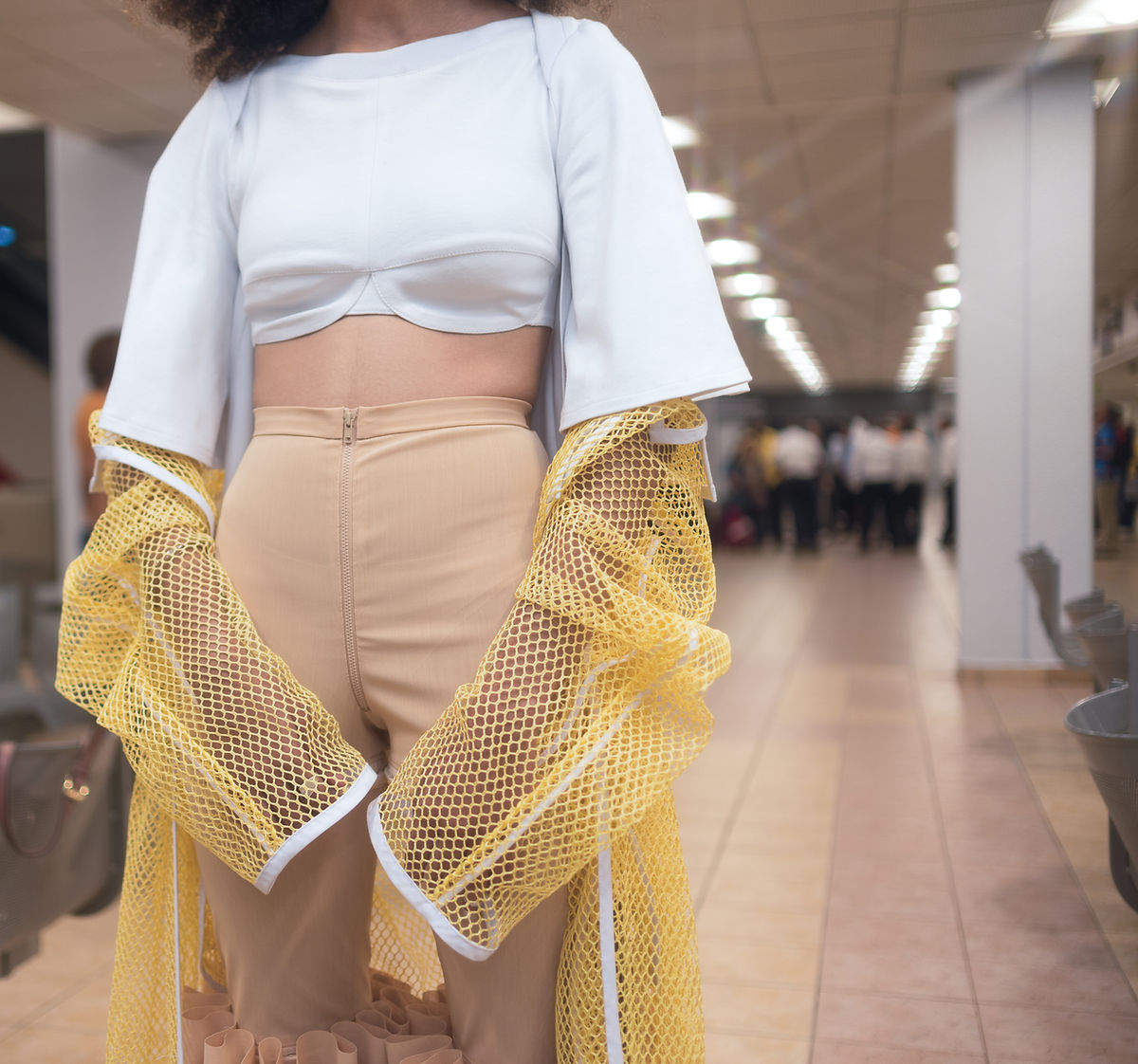


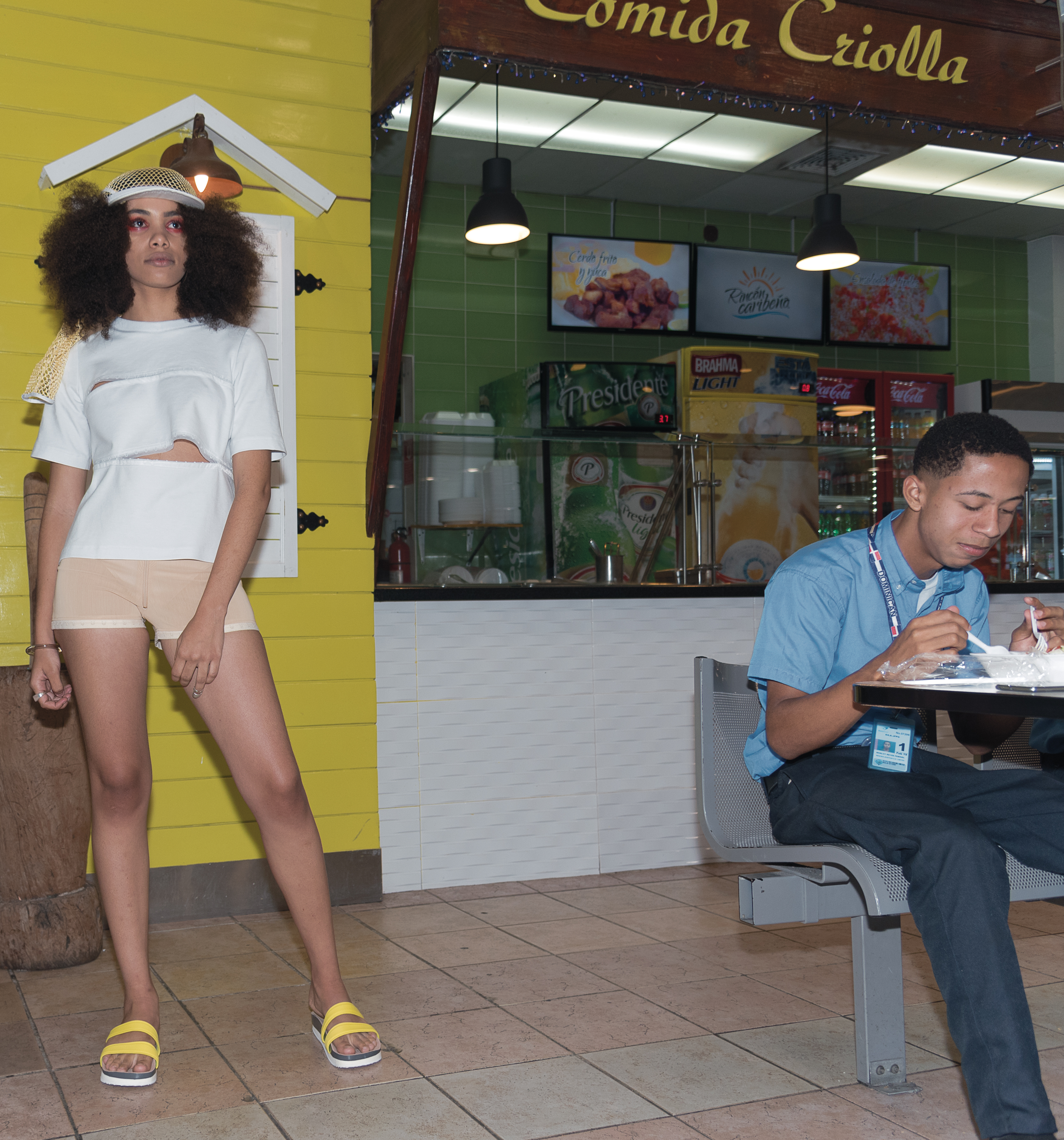
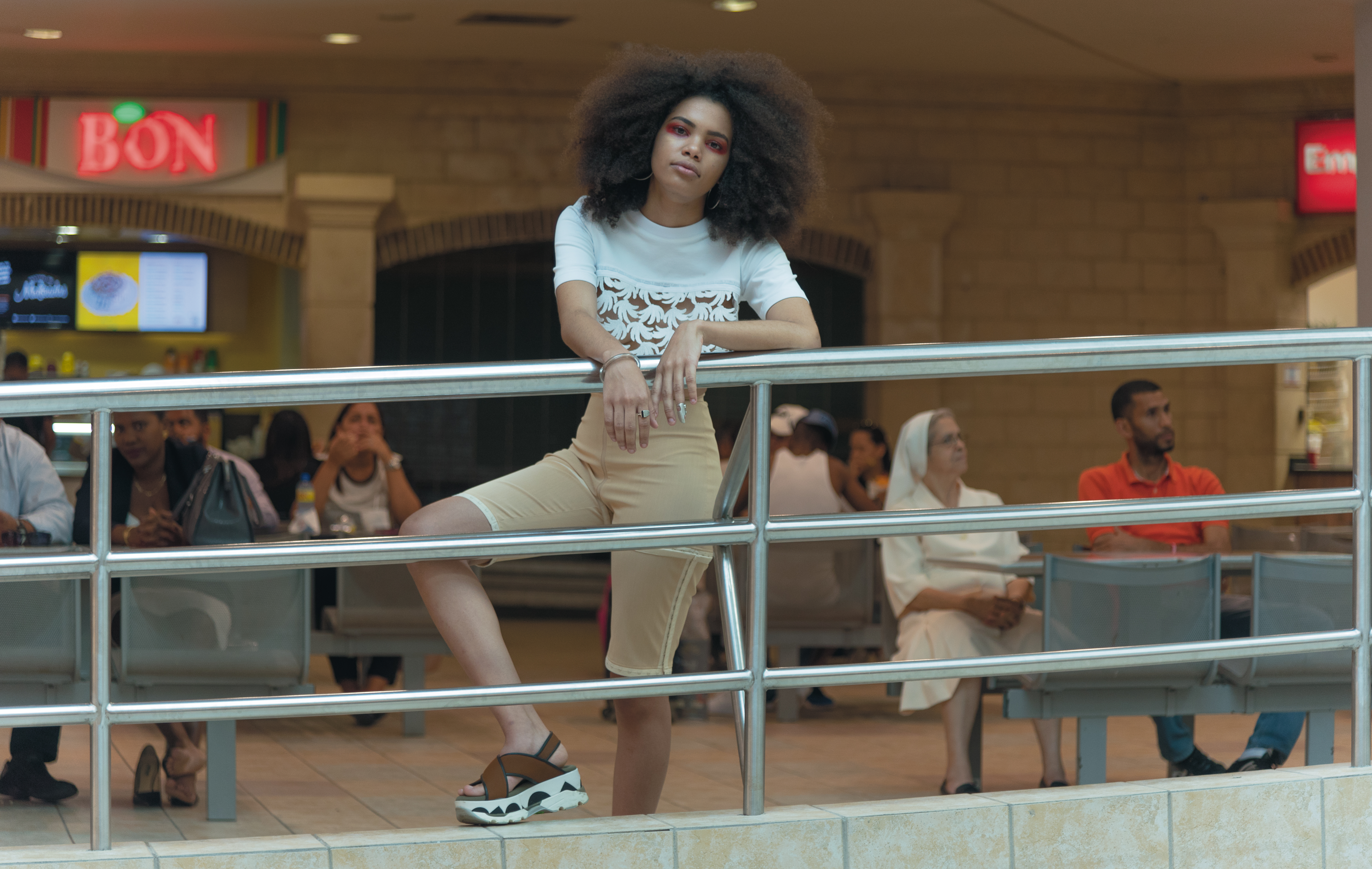
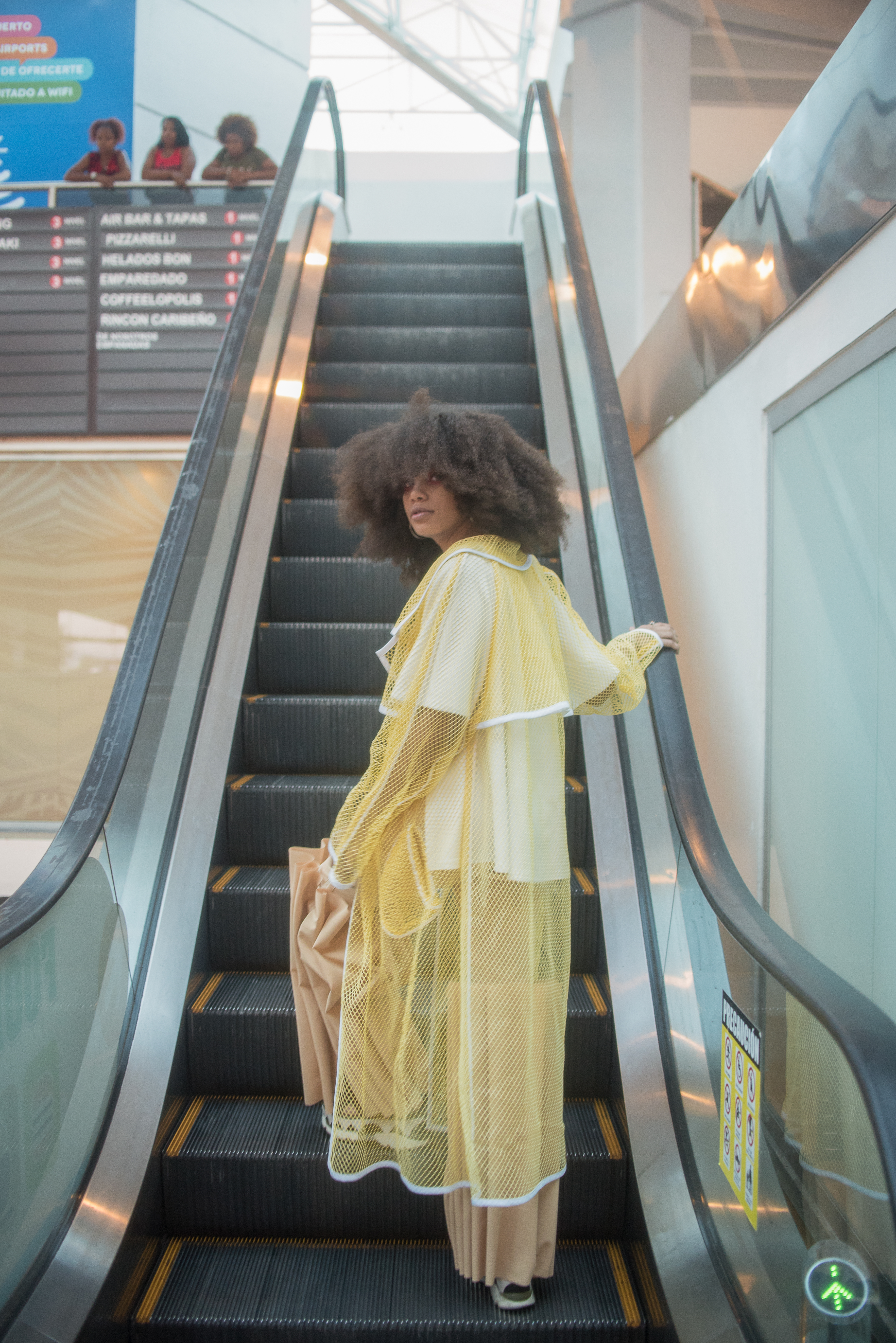


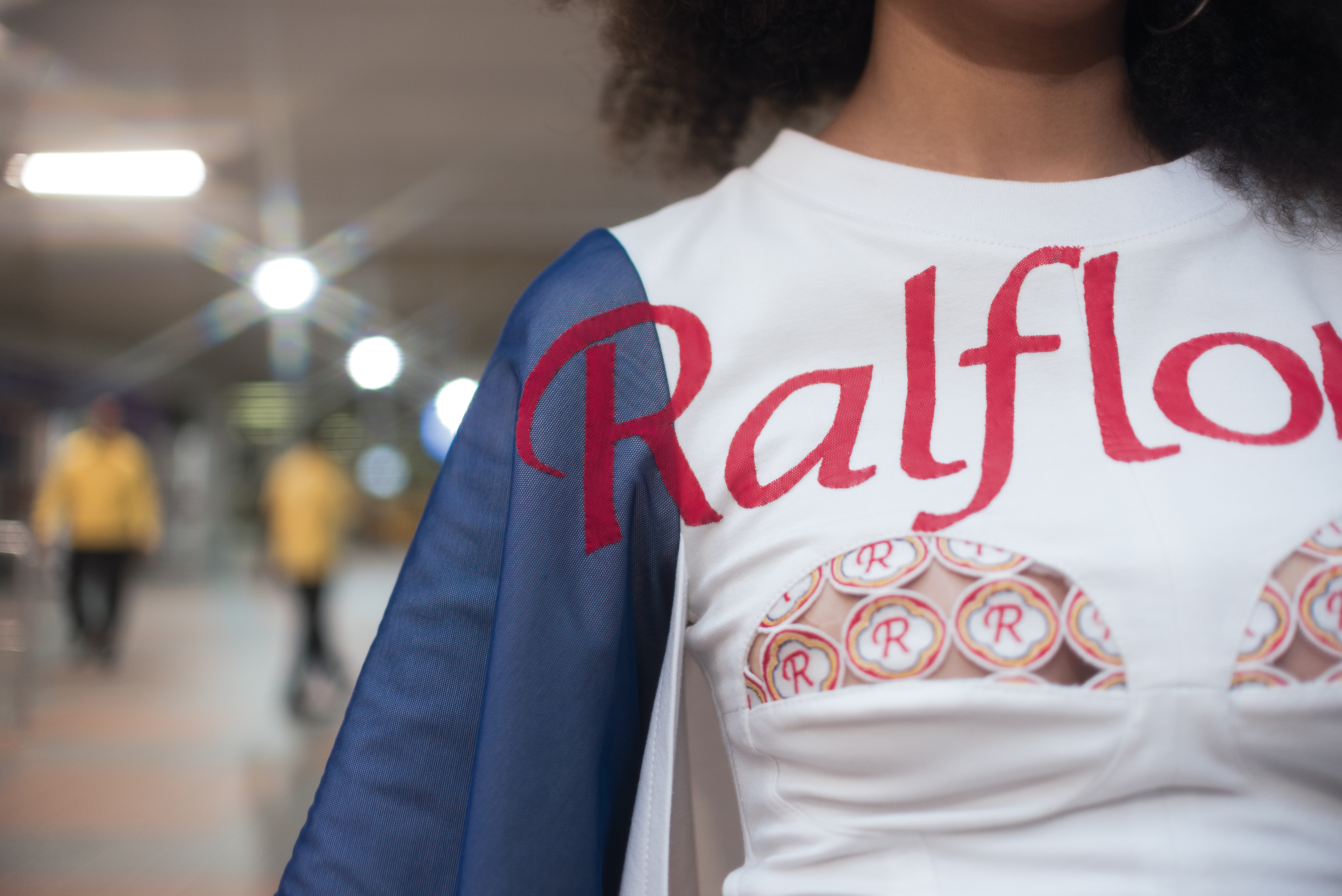
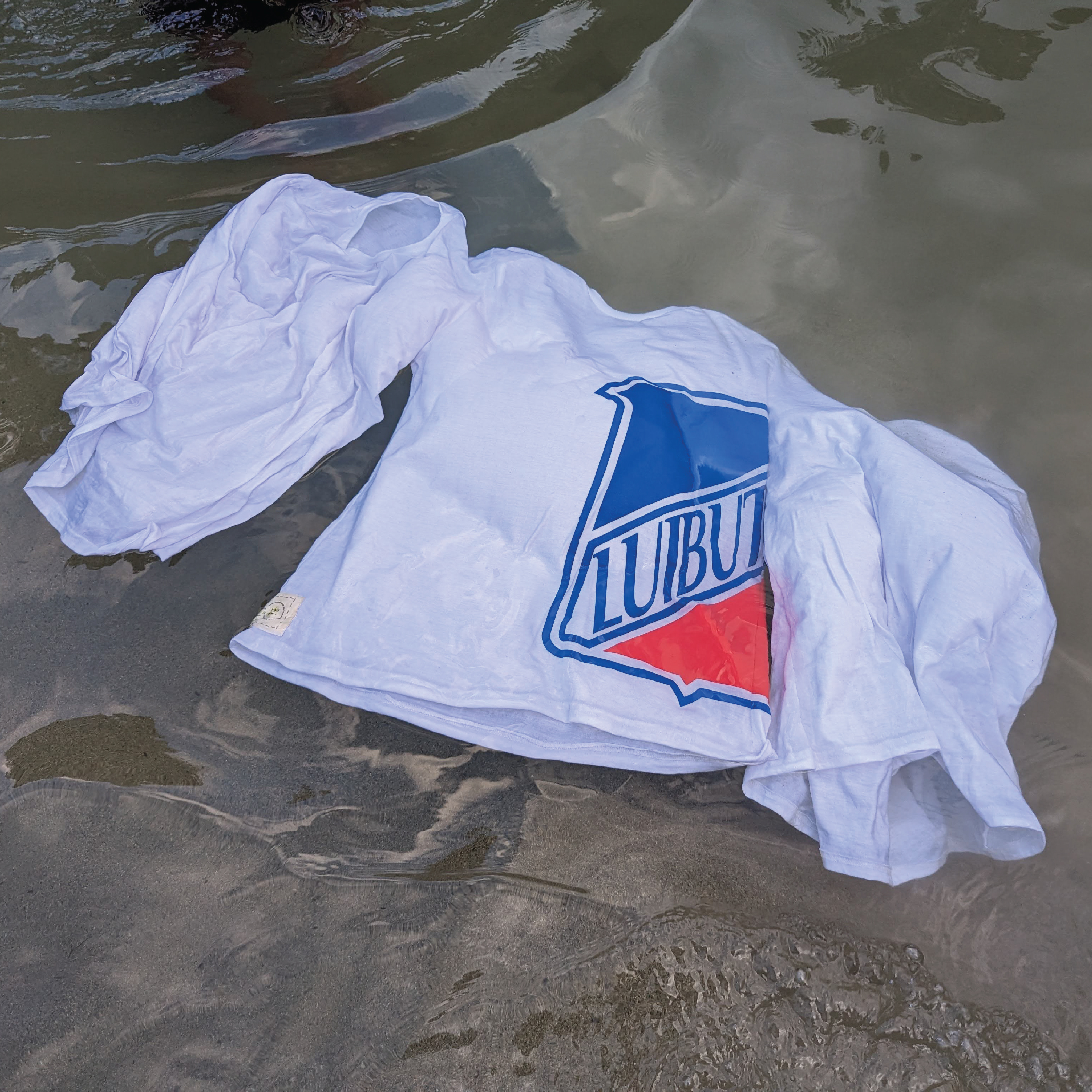
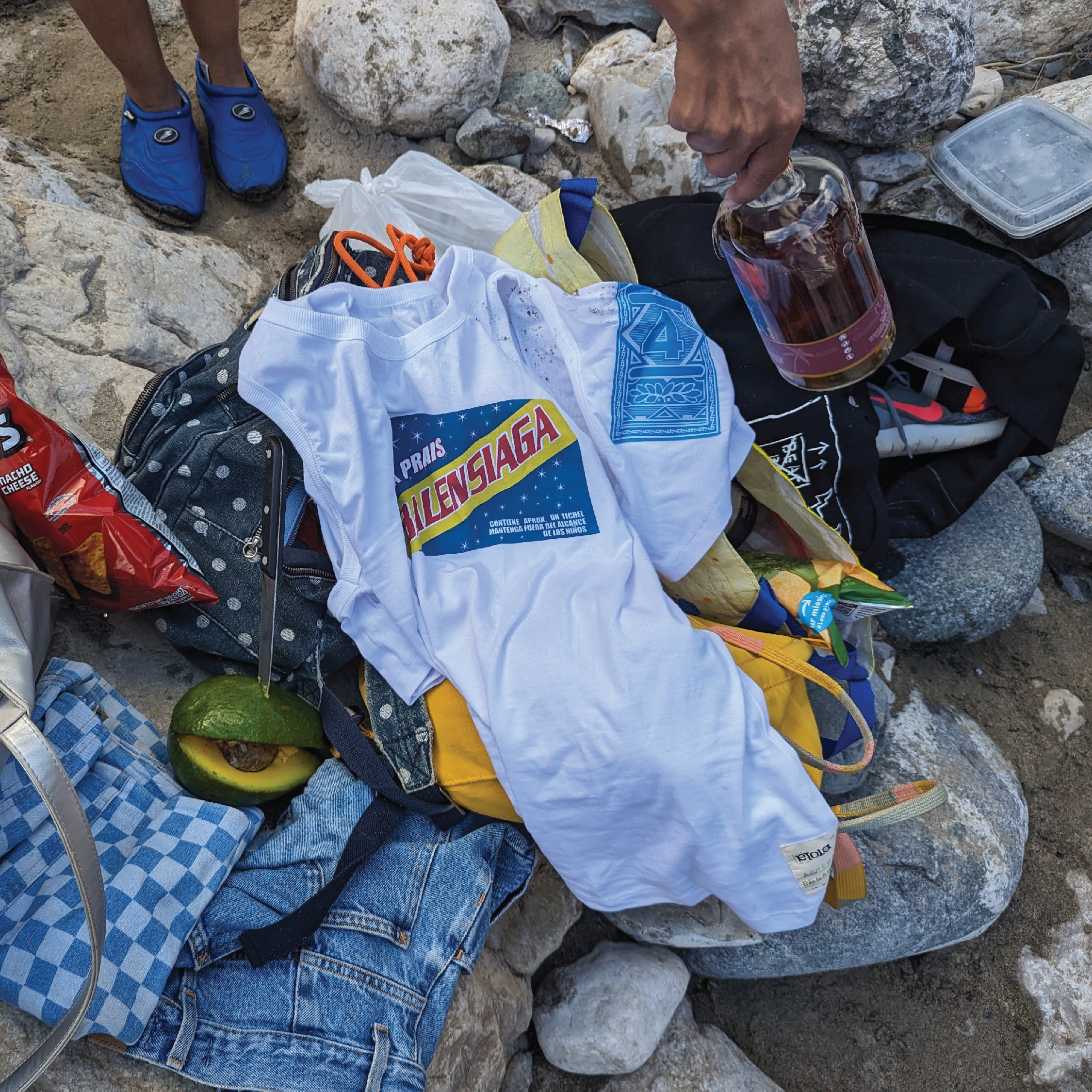
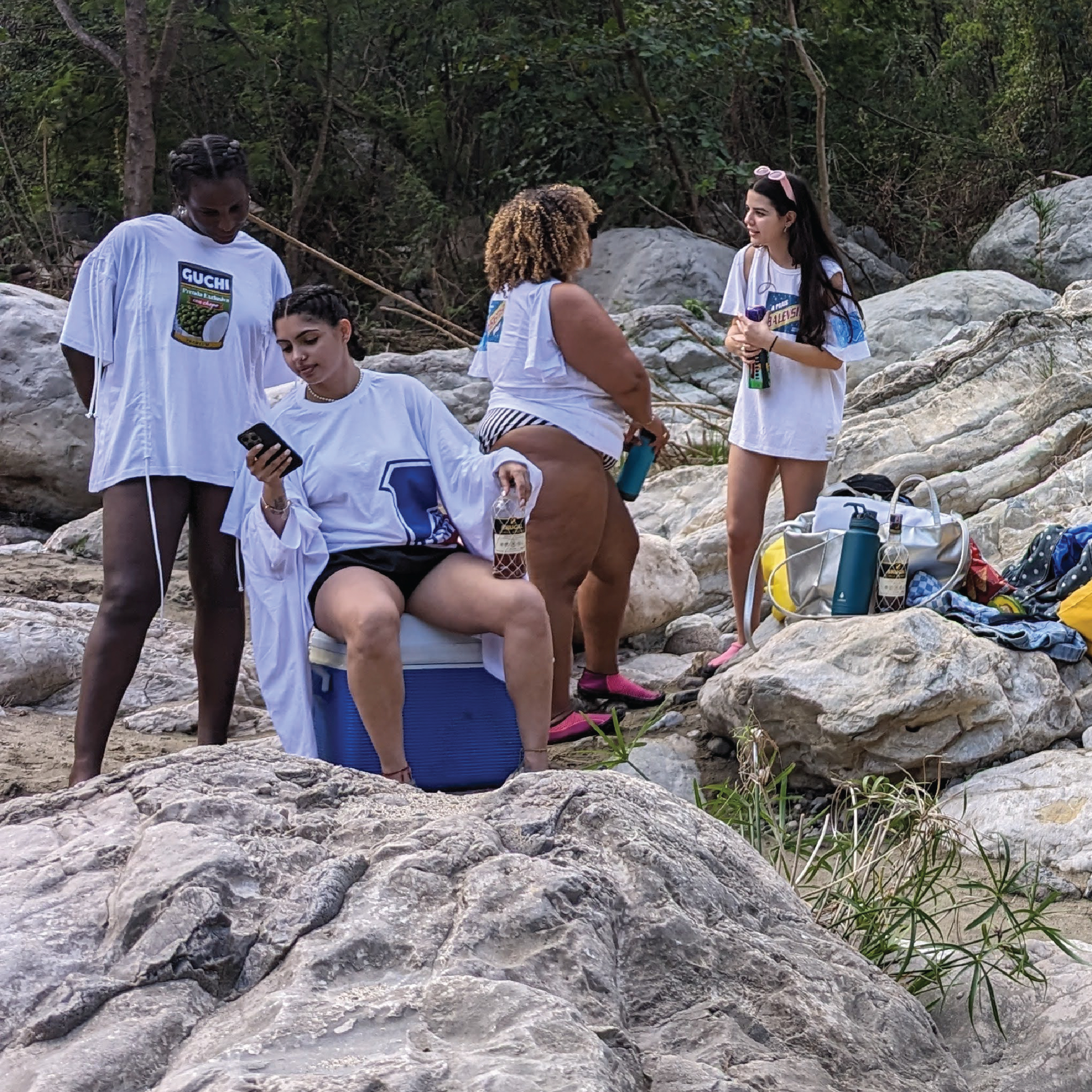
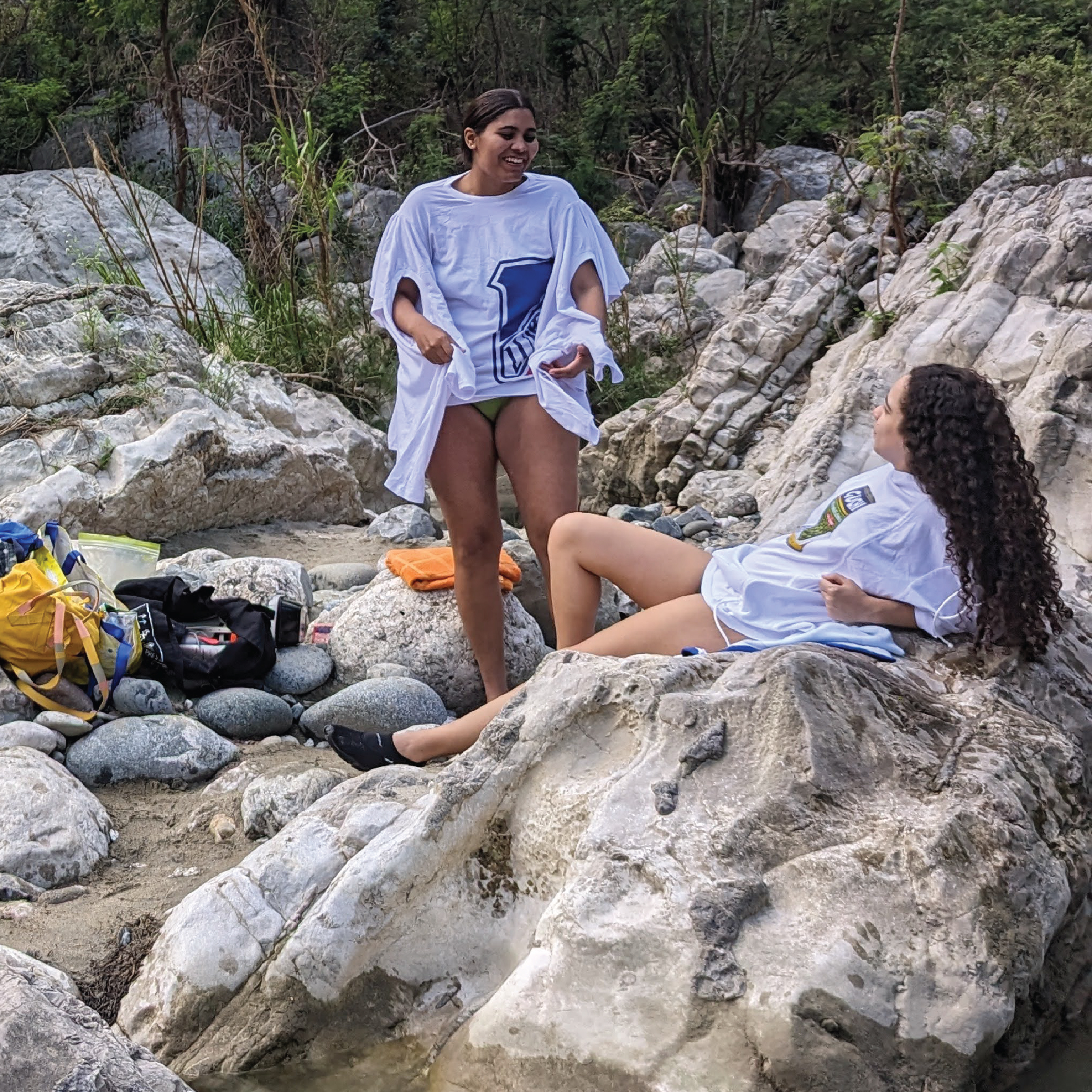
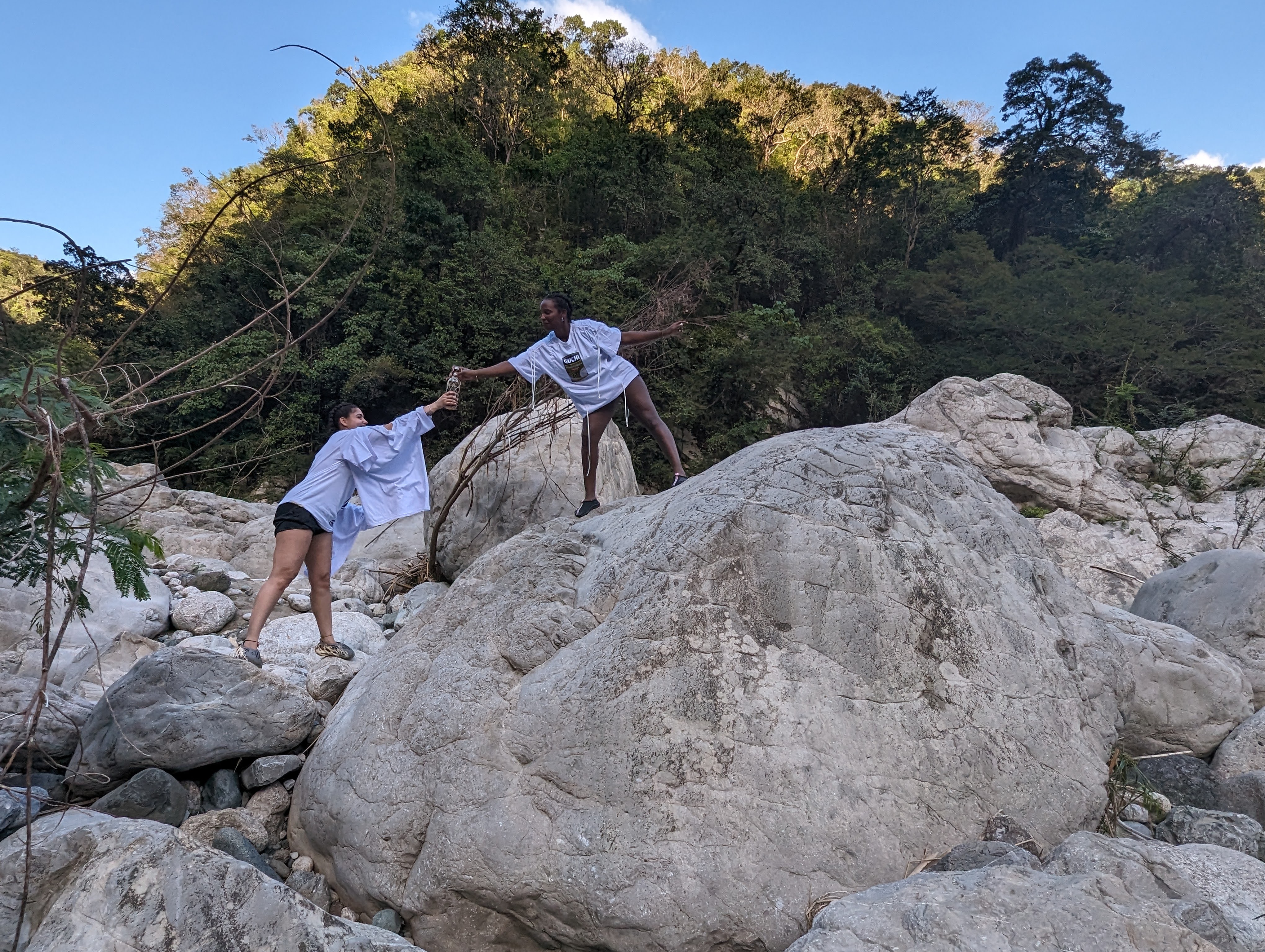
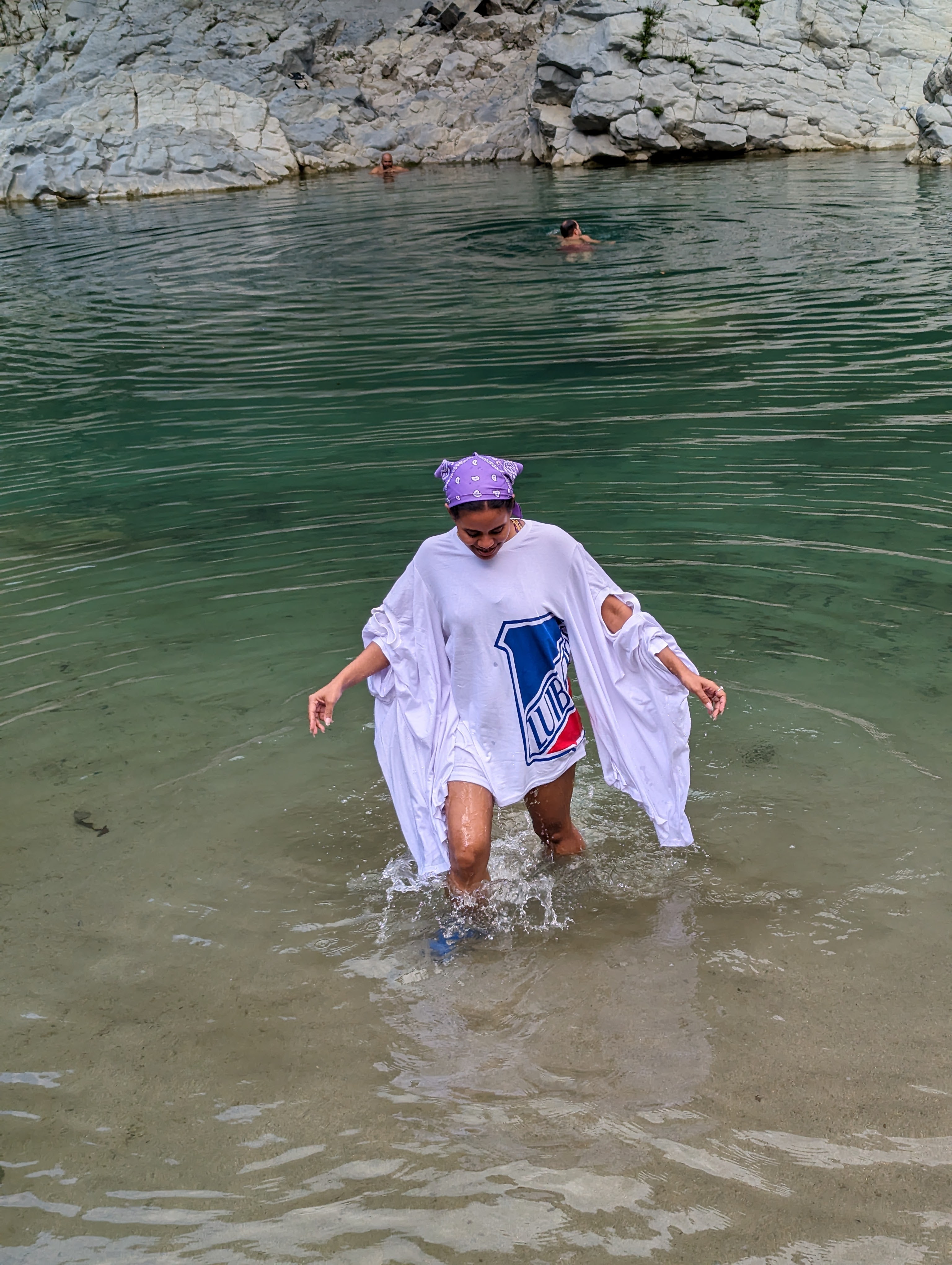
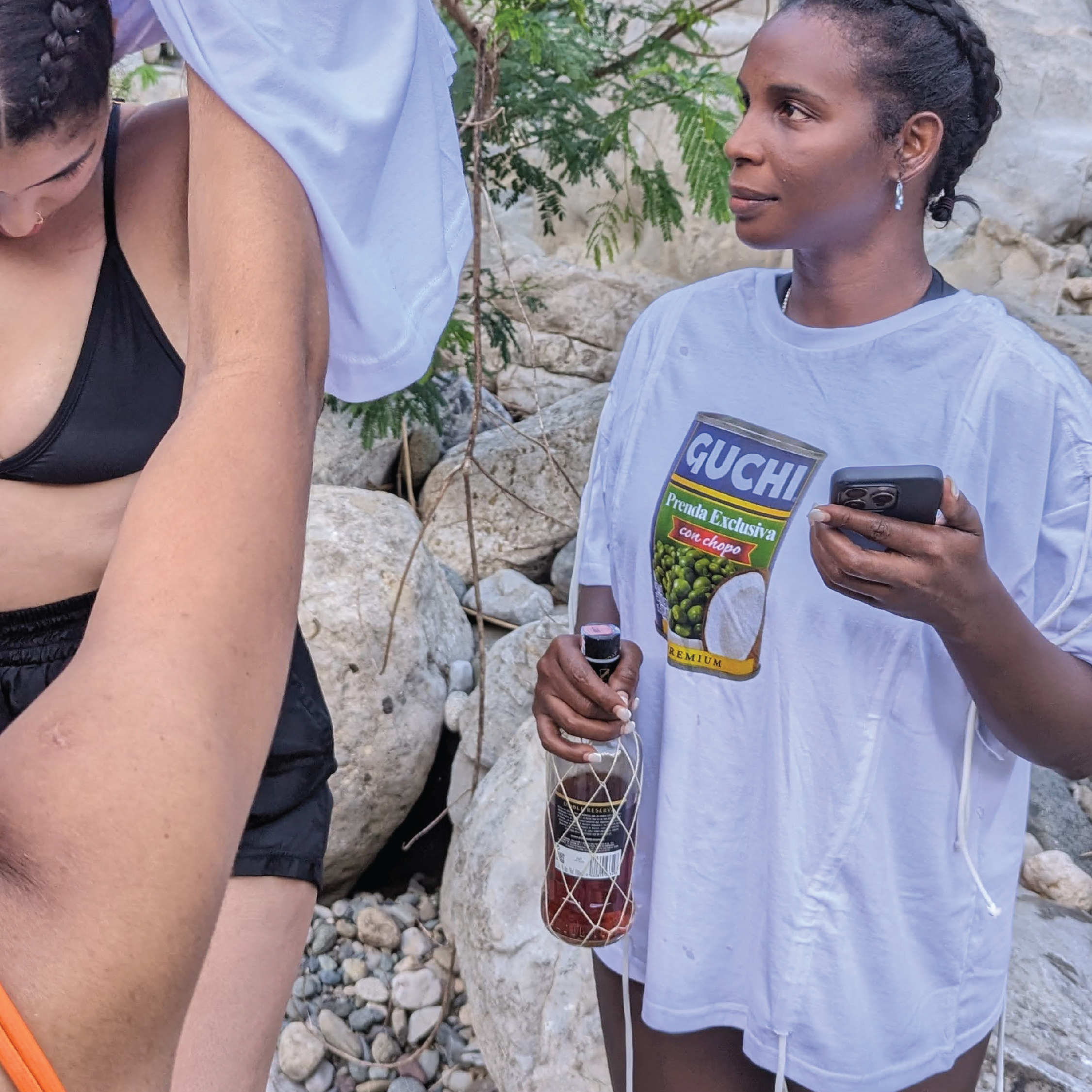
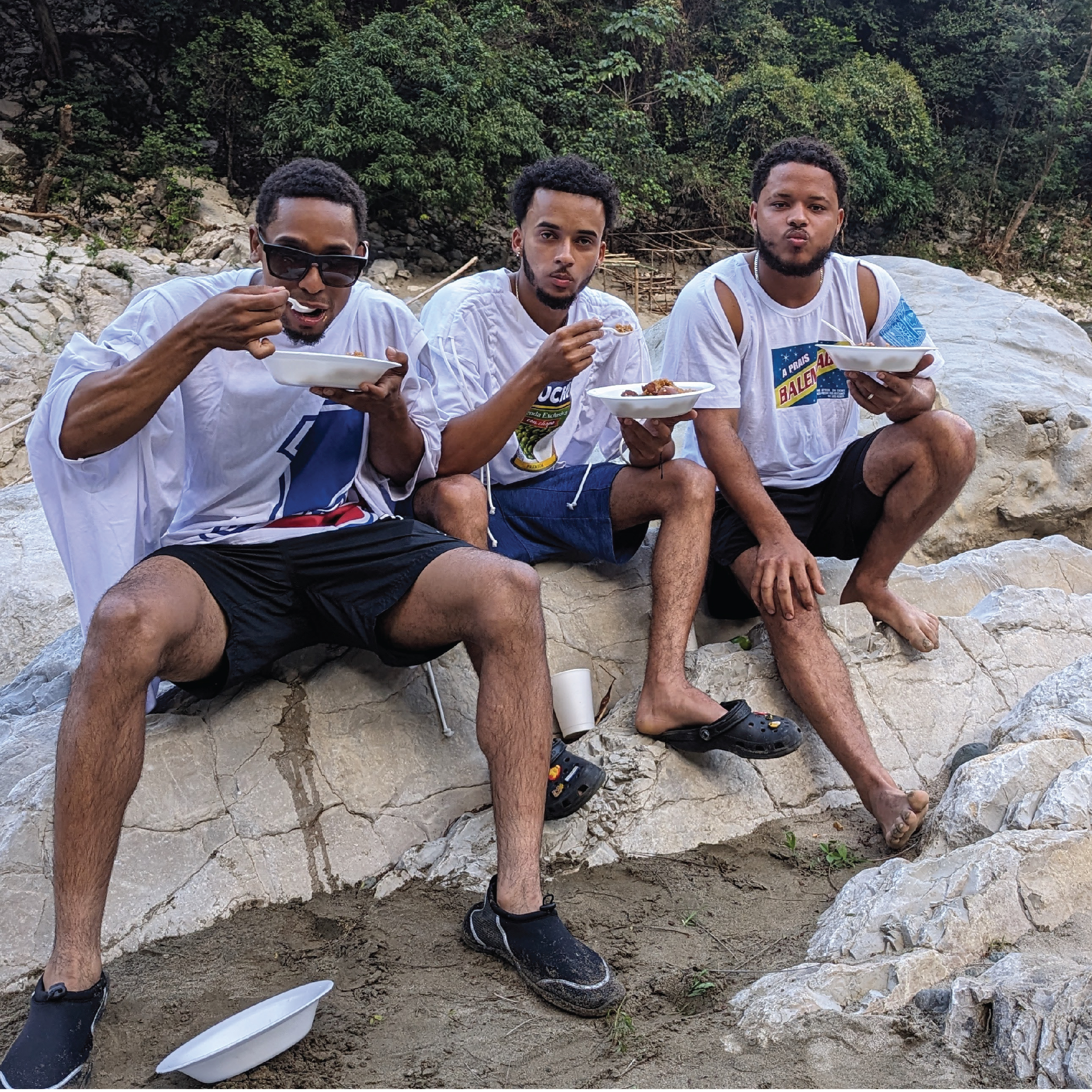
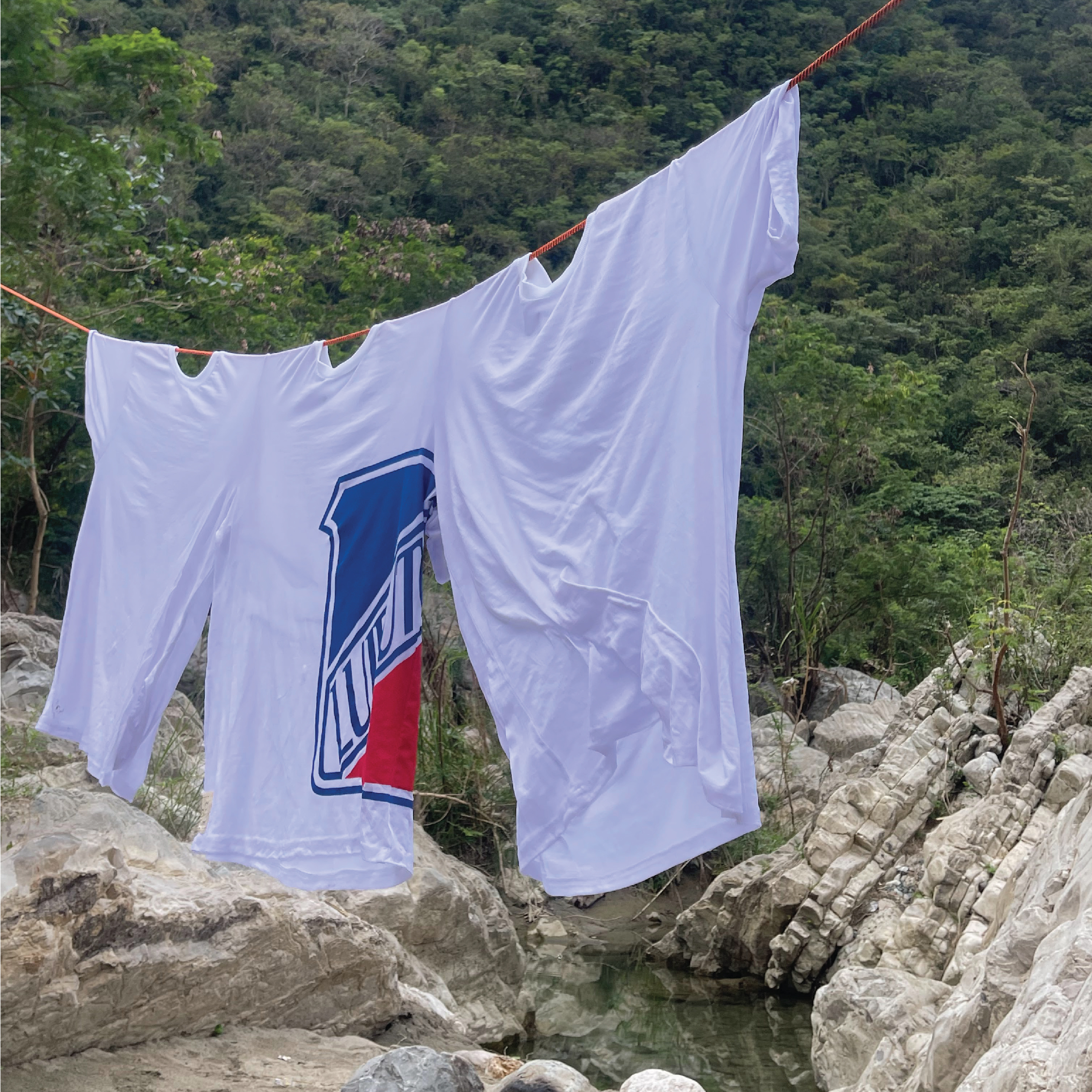


For the second round of designs we chose T-shirts because of its accessibility. It is one of the simplest garments in construction yet paradoxically one of the easiest to transform. Instead of using luxury iconography I introduced a familiar object from Dominican daily life a canned food label reworked into a parody logo reading
“GUCHI”
accompanied by the phrase “Prenda exclusiva con chopo” inserting Dominican slang (“chopo”, roughly meaning kitsch) in place of refinement. The joke functions as a critique: value in fashion is socially constructed not inherent.
The silhouette is intentionally simple but manipulated. I introduced adjustable ruching along the torso and shoulders using drawstrings so the wearer can alter proportion and fit and also compress the can motif. This allowed the garment to move between fitted and relaxed long or cropped referencing the adaptability of Caribbean dressing and the fluidity of identity. I wanted the wearer to participate in shaping the piece rather than passively consuming it.
Taking the process of creation itself as the core of my work my approach centers on transformation: deconstructing garments images and roles in order to assign them multiple functions and meanings. Through this process of rearrangement my work interrogates social constructs dysfunctions and hierarchies while simultaneously celebrating craft movement and expression.
During development I sourced cotton jersey locally and produced the garments through small scale manufacturing supervising pattern adjustments sampling and production. Working with limited resources required improvisation and reinforced my interest in fashion as process rather than only final image.
Conceptually the piece explores how humor can become a tool of cultural agency. Instead of rejecting high fashion the garment reappropriates its codes and speaks back using Dominican visual language. The goal was not parody alone but empowerment positioning the everyday as worthy of aesthetic attention.
